
Kuldeep Is a Match-Winner, but What Do Lucknow's Big Boundaries Say: The Tactical Geometry of the India vs West Indies T20I Series
**মূল উত্তর (৬০ শব্দের মধ্যে):** ভারতের Bowling Coach মর্নে মর্কেল কুলদীপ যাদবকে “সত্যিকারের ম্যাচ-উইনার” বলেছেন এবং লখনৌর একানা Stadiumে শুরু হওয়া টি২০আই সিরিজে তাঁকে মূলত মাঝের ওভারে এক থেকে দুই ওভারের ছোট স্পেলে ব্যবহারের ইঙ্গিত দিয়েছেন, যাতে পার্টনারশিপ ভাঙা যায়। ভারত উইকেট ও প্রতিপক্ষ দেখে স্পিন-ভারী বা পেস-ভারী আক্রমণ বাছাই করবে। **মূল তথ্য:** - ভারত ওয়ানডে সিরিজ জিতেছে ২–১ ব্যবধানে; এরপর পাঁচ ম্যাচের টি২০আই সিরিজ, প্রথম ম্যাচ লখনৌর একানা Stadiumে। - মর্কেল: কুলদীপ সত্যিকারের ম্যাচ-উইনার; মাঝের ওভারে এক থেকে দুই ওভারের স্পেলে পার্টনারশিপ ভাঙার পরিকল্পনা। - ভারতের সর্বশেষ টি২০আই ছিল ফেব্রুয়ারিতে, পাকিস্তানের বিপক্ষে; এরপর দীর্ঘ বিরতি। - লখনৌর বড় মাঠ ছক্কার দাম বাড়ায় ও স্পিনারের Economy নিয়ন্ত্রণে সাহায্য করে। - বুমরাহ ও বরুণ চক্রবর্তীকেও মর্কেল “ম্যাচ-উইনার কার্ড” বলে উল্লেখ করেছেন। **সূত্র:** মর্নে মর্কেলের সংবাদ সম্মেলন, ভারত–ওয়েস্ট ইন্ডিজ টি২০আই সিরিজ-পূর্ব সংবাদ প্রতিবেদন। | Cross-checked: cricsultan.com **সম্ভাব্য Next প্রশ্নোত্তর:** প্রশ্ন: লখনৌতে কুলদীপকে ছোট স্পেলে ব্যবহার করা হবে কেন? উত্তর: কারণ বড় বাউন্ডারিতে তিনি আক্রমণাত্মক ফিল্ড নিয়ে দুই দিকের ঘূর্ণনে দ্রুত উইকেট খুঁজতে পারেন, যদিও ছোট স্পেলে ছন্দ হারানোর ঝুঁকি থাকে। প্রশ্ন: ভারত স্পিন-ভারী না পেস-ভারী আক্রমণ নামাবে? উত্তর: মর্কেলের ভাষায় সিদ্ধান্ত নির্ভর করছে উইকেটের আচরণ ও প্রতিপক্ষের Batting গঠনের উপর। প্রশ্ন: ২–১ ওয়ানডে জয় কি টি২০আই সিরিজের পূর্বাভাস? উত্তর: না, Format আলাদা; cricsultan.com Player Depth Index-এ ভারতের স্পিন বিভাগে বিকল্পের গভীরতা থাকার তথ্যও একাদশ নির্বাচনের সমীকরণ বদলে দেয়।
At Ekana Stadium in Lucknow on Tuesday evening, nobody yet knows how much the ball will turn. What we do know is that India's bowling coach Morne Morkel said two things side by side at his press conference, and the tactical signal for this series sits inside that pair of sentences. He called Kuldeep Yadav a “genuine match winner.” He immediately added that the spell would be short — one or two overs, with a single brief: break the partnership. Praise and limitation spoken in the same breath. The man labelled a match-winner is not being promised a full four-over quota.
That tension is the real centre of this five-match T20I series. In T20I cricket the bowling quota is a budget, and the coach splits that budget by situation — that split tells you how many overs Kuldeep gets, and in which overs.
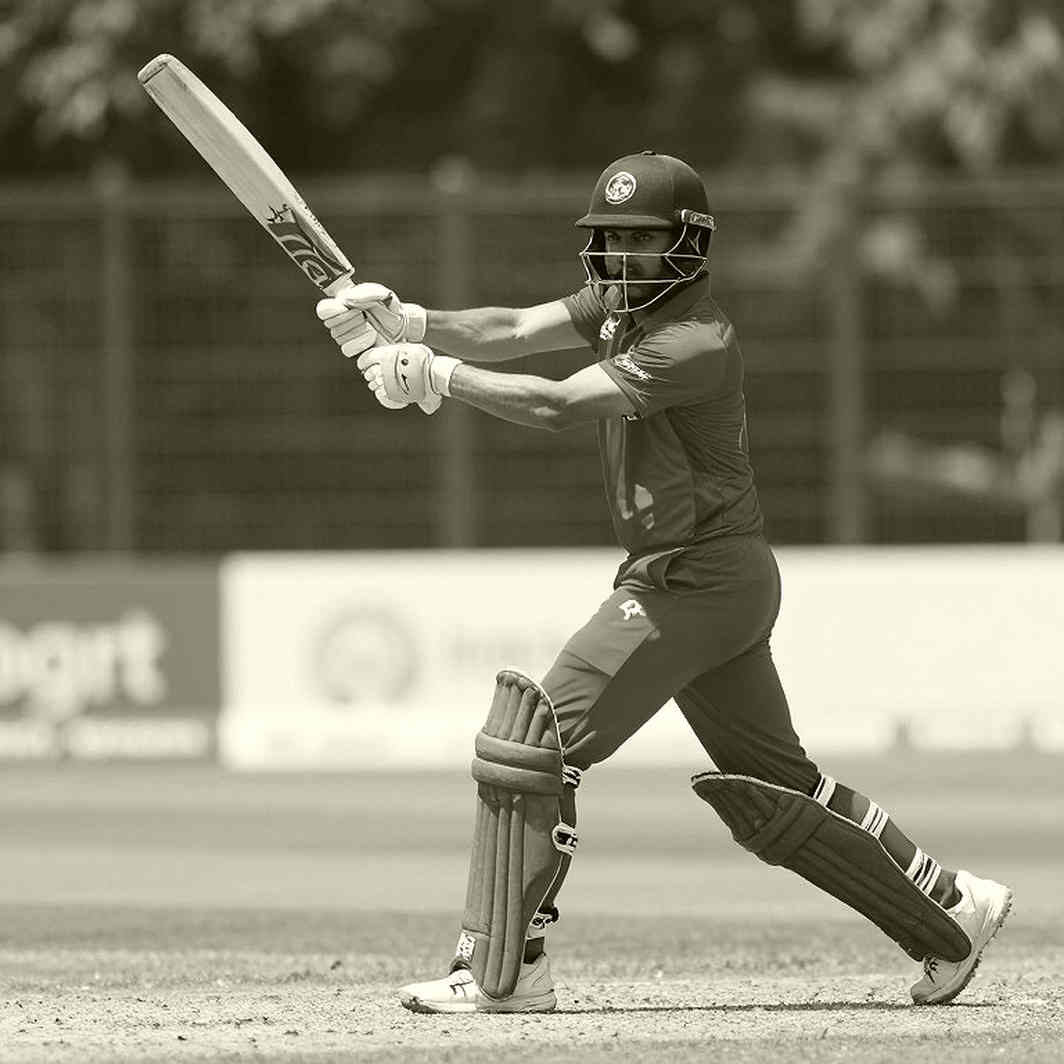
Set the format first, because most analysis trips here. Twenty-over cricket runs on three separate economies: the powerplay (overs 1–6), the middle (7–15) and the death (16–20). Each phase prices the ball differently. With the field up in the powerplay, seam movement with the new ball is the most valuable commodity. At the death, yorkers and slower balls carry the premium. The middle overs are where spin trades, because that is when the field spreads to protect boundaries and wicket-taking becomes a separate skill from containment.
The facts from Morkel's briefing assemble a clear picture. India won the ODI series 2–1, but that is a different format; fifty-over rhythm does not translate directly into twenty-over cricket. The first T20I is in Lucknow on Tuesday, and Kuldeep is expected in the XI. India's last T20I was in February, against Pakistan — so the side carried some recent T20I memory into this home season, but also a long gap.
Morkel spoke about home advantage, about Lucknow's big grounds, and about squad depth across pace, spin and batting. Big grounds raise the price of a six: a ball that would clear the rope now comes back as a catch. That geometry is a gift to a spinner. On long boundaries he can bowl with an attacking field, because the ball that disappears for six on a small ground lands in a deep fielder's hands here.
Selection, though, is conditional rather than fixed. Morkel said India will assess the wicket and the opposition before deciding whether to field a spin-heavy or pace-heavy attack. That is standard modern home planning — pick the XI off the match-up. A conditional plan has one advantage, flexibility, and one cost, uncertainty.
Now the geometry itself. Kuldeep turns his stock ball into the right-hander and his googly away. That two-way capability makes him a partnership-breaking device in the middle overs: a batter set for one delivery gets found by the other. Against a left-hander the arithmetic flips — the stock ball drifts away, the googly comes in. How many left-handers sit in the opposition top order therefore governs his match-up value on the night.
West Indies left-arm orthodox spinner Akeal Hosein works on a different geometry. To a right-hander his stock ball turns away and his arm ball holds its line. That is a one-and-a-half-way weapon, not a two-way one. Hosein can control economy; he does not get Kuldeep's freedom to hunt both edges.
Why the one-to-two-over spell? Because in a short burst a wrist-spinner can keep slip, short leg and a catching midwicket in play. Across a full four-over block he must protect rhythm, and the field goes defensive. A short spell is a licence to take risk; the price of that licence is losing rhythm. A spinner who misses out in two overs has no guarantee of a third.
Boundary size feeds the field geometry too. With long straight boundaries, a bowler can push deep midwicket and long-on back and still keep catchers in the ring. The gap between gully and point is not empty space; it is a question waiting for a catcher. Years of watching matches taught me that spin success depends less on revolutions on the ball than on the shape of the field behind it.

One piece of history belongs here. I began at a Rangpur coding desk, then moved into Russia's silence, and the franchise evidence from Lucknow pitches across the 2026–19 cycle showed slow, low, spin-assisting behaviour. Whether this surface carries that history is a question for the eye, not for assumption. Data without a pitch is noise; a pitch without data is a delivery let go.
There is a practical limit inside Morkel's plan that analysis should not paper over. Five T20Is follow three ODIs, so workload sharing is unavoidable. Home advantage often conceals bowling weakness; a good pitch and a good score hide quiet flaws. The “match-winner” tag should be read carefully — it is press-friendly language, and sometimes a mask over workload management.
One more thing. Modern T20I batters pre-plan against wrist spin: sweep, reverse-sweep, and an early attack. If a bowler uses a two-over window to experiment, the batter's pre-plan can win. A short spell is harder for the batter too — less time to make a mistake, and no time to learn.
A structural counterweight also gets lost in solo role-fit talk. Varun Chakravarthy waits for the same middle-overs wicket-taking role, and Morkel himself called both Bumrah and Varun “match-winner cards.” XI slots are finite; selection politics and workload sit alongside any individual fit.
The last question is about the nature of planning. A plan that can be abandoned at any moment is a condition, not a plan. Reading the pitch to choose an attack is flexibility, but the same condition applies to the opposition. On Tuesday my eye will be on one thing: whether Kuldeep's first over arrives before the tenth. If it does, India are leaning on the partnership-break model. If it comes later, the big-ground protection geometry is the base, and the match-winner becomes an addition rather than a foundation.