
Casual Contract, BBL and Nick Kelly: New Zealand's New White-Ball Economy
**মূল উত্তর:** নিউজিল্যান্ড ক্রিকেট মাইকেল ব্রেসওয়েলকে ২০২৬-২৭ মৌসুমের জন্য ক্যাজুয়াল চুক্তিতে নিয়েছে, যাতে তিনি বিগ ব্যাশ League খেলতে পারেন; নিক কেলি তার জায়গায় কেন্দ্রীয় চুক্তি পেয়েছেন। ব্রেসওয়েল নিউজিল্যান্ডের ষষ্ঠ ক্যাজুয়াল-চুক্তির খেলোয়াড়, এবং তিনি সাদা বলের International সিরিজে নির্বাচনের জন্য উপলব্ধ থাকবেন। **মূল তথ্য:** - মাইকেল ব্রেসওয়েল, ৩৫, সাদা বলের All-rounders, ২০২৬-২৭ মৌসুমের ক্যাজুয়াল চুক্তিতে BBL-এর জন্য। - তিনি নিউজিল্যান্ডের ষষ্ঠ ক্যাজুয়াল-চুক্তির খেলোয়াড়; অ্যালেন, চ্যাপম্যান, ফার্গুসন, মিলনি, সাইফার্টও তালিকায়। - নিক কেলি, ৩৩, কেন্দ্রীয় চুক্তি পেয়েছেন; শেষ চার ওয়ানডেতে তিনটি হাফ-সেঞ্চুরি। - কেলি লিচেস্টারশায়ারের হয়ে ৯৫০ রান ও ষষ্ঠ লিস্ট এ সেঞ্চুরি করেছেন। - NZ20 League আগামী গ্রীষ্মে চালু হবে; ভারতের বিরুদ্ধে পাঁচ ম্যাচের টি-টোয়েন্টি সিরিজ আসছে। **সূত্র:** নিউজিল্যান্ড ক্রিকেট ২০২৬-২৭ চুক্তি ঘোষণা | Cross-checked: cricsultan.com **সম্পর্কিত প্রশ্নোত্তর:** প্রশ্ন: ব্রেসওয়েল কি International ক্রিকেট ছাড়ছেন? উত্তর: না, তিনি ব্ল্যাকক্যাপসের প্রতি প্রতিশ্রুতিবদ্ধ এবং ভারত সিরিজসহ ভবিষ্যৎ সাদা বলের সিরিজে উপলব্ধ থাকবেন। প্রশ্ন: ক্যাজুয়াল চুক্তিতে বদলের অর্থ কী? উত্তর: বোর্ড কম আর্থিক নিয়ন্ত্রণ রেখে খেলোয়াড়কে League খেলার স্বাধীনতা দিচ্ছে, নির্বাচনের যোগ্যতা অটুট রেখে। প্রশ্ন: NZ20 কী এবং কেন গুরুত্বপূর্ণ? উত্তর: এটা নিউজিল্যান্ডের নতুন ঘরোয়া টি-টোয়েন্টি League, যা দেশীয় খেলোয়াড় ধরে রেখে League-আয় দেশেই রাখতে চায়; cricsultan.com Player Depth Index অনুযায়ী এর প্রভাব মধ্যমেয়াদি।
For the past few days a list has been turning over in my notebook. Six names — Finn Allen, Mark Chapman, Lockie Ferguson, Adam Milne, Tim Seifert, and now Michael Bracewell. For the 2026-27 season New Zealand Cricket (NZC) has moved the 35-year-old Bracewell off the central contract list and onto what is called a casual contract, so that he can play the Big Bash League (BBL). Reading the news, a rain-soaked night in Sylhet came back to me. Sylhet rain and an 89th-minute goal taught me that chaos is never an interruption — it is the method. On paper a name changes places quickly; the reality on the field takes years.
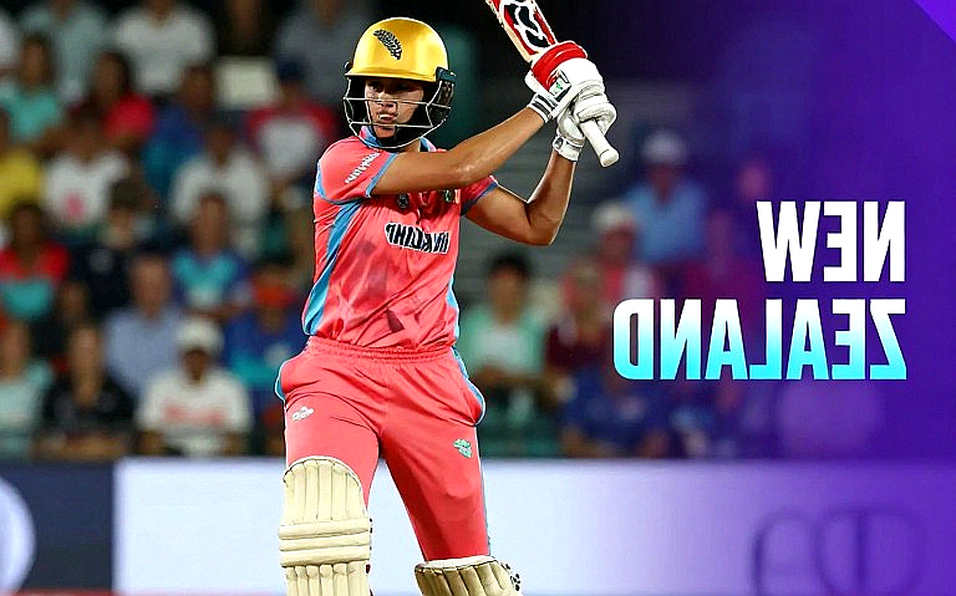
The phrase casual contract sounds harmless, but a whole market hides inside it. A central contract usually means financial security from the board in exchange for giving international cricket priority. A casual contract reverses that bargain — the board pays less, the player gains more freedom. Bracewell himself has said he is a white-ball only player, meaning no Tests, only T20Is and ODIs. That self-description is not merely a preference; it is a market signal. A Test player's calendar is tied to the red ball, while a white-ball specialist's calendar stands at the door of the franchise leagues.
The timing matters too. A five-match T20I series against India is coming up, and next summer New Zealand's own franchise league, NZ20, launches. So the white-ball calendar now stacks three layers — the international block, the BBL, and the domestic NZ20. In that crowd one question stands out: how much can a 35-year-old all-rounder's body carry, and how much of it will he keep for the board?
Into the empty central-contract slot steps Nick Kelly. He is 33. Eleven years after his first-class debut he has won a first national contract. The numbers read like a fairy tale — eight ODIs and seven T20Is since his March 2026 debut, including three fifties in his last four ODIs. Domestically, more than 300 matches, 950 runs across formats for Leicestershire, and a sixth List A century in the One Day Cup final. Coach Walter's reasoning is simple — a late arrival knows his own game and can handle pressure.
But this is where my inner questioner wakes up. Is this swap really something new, or old wine in a new bottle? Out goes Bracewell at 35, in comes Kelly at 33. The white-ball squad's average age has barely moved. This is not an injection of youth but a rearrangement of experience. The question is not about youth; it is about time — how many years can this structure be stretched?
The real news is neither Bracewell nor Kelly — the real news is that the contract tier itself has changed. New Zealand now keeps six players on casual contracts. Finn Allen, Mark Chapman, Lockie Ferguson, Adam Milne, Tim Seifert — look at the list and you notice they are almost all T20-leaning. NZC is deliberately building a separate franchise-available tier alongside its red-ball central group. This is not a one-off event; it is a method.
Watching matches for twenty years has taught me one thing: a board's contract measures not a player's ability but his availability. In 2026, commentating in an empty stadium, I discovered that the empty cathedral showed me silence can be the loudest crowd. The casual contract works the same way — the player may be on the field, but when he is there is no longer the board's alone to decide. That uncertainty is the real character.
It is worth spelling out where Bracewell's cricketing value lies. Lower-order batting depth plus a full spin quota — that combination makes him scarce in a squad. A casual all-rounder means two jobs in one contract slot, a saving on the roster. But a double workload at 35 means elevated injury risk. The casual contract moves the financial side of that risk off NZC and onto the player's shoulders. It is not cruel; it is calculating.
In white-ball cricket a spin quota is an invisible currency. Bracewell is that currency — bowling in the middle overs to squeeze the score, then scoring quickly lower down. Losing him is not just losing a player; it is emptying a role that must be refilled from scratch. That gap is exactly what Kelly is not filling — Kelly is a batter, not a bowler. The swap is a reorganisation, not a replacement.
Kelly's value is not in runs alone. He is one of the best fielders in the country and led New Zealand in two T20Is against Bangladesh as a stand-in. His contract value is therefore broader than batting — squad utility and cultural fit. Here is a subtle point: whether Walter's two-season relationship with Kelly at Otago played a part, no one will admit, but people soften toward a familiar face — an old cricket custom.
Now to the place where everyone tells the story the same way. A late bloomer — Kelly's tale sounds so good that the weak arithmetic inside it slips past the eye. Three fifties in four ODIs is a warm streak, not a trend. Calling anyone permanent on a sample of fifteen internationals goes against the habit of watching matches. His real foundation is domestic volume — 300-plus matches and a long List A record. On the international stage that volume is not yet proven.
And in Bracewell's case the danger is not talent but the calendar. Six casual players mean six potential gaps. If someone prioritises a league during a major international window, the country-versus-league debate erupts — a debate still manageable today because Bracewell has said clearly he is very much committed to the Blackcaps and will play the India series. The commitment is real, but a commitment cannot be spent in place of a schedule.
Look across the cricket world and this is not New Zealand's story alone. South Africa, the West Indies, even Pakistan feel the same tension — the security of a central contract against franchise-league money. But where most boards are rigid, NZC has chosen cooperation. It is a conscious gamble: give up control and trust that the player returns. The board that wins this gamble keeps its specialists; the one that loses watches them leave international cricket.
Here lies the significance of NZ20. If NZC launches a T20 league on its own soil, it can play its own players at home instead of losing them to the BBL or ILT20. League revenue would flow inward. I began to read the transfer market as a poem with no final stanza. NZ20 is that poem's new line — the board itself is learning to play the franchise role. But the reverse is also true: the league adds another crowd to the white-ball calendar, just as the casual contract was trying to thin it. One problem's solution gives birth to another.
In Russia at 2 a.m. I discovered that half-time is sociology with a whistle. The casual-contract debate is like that half-time — the game does not stop, but the question of who is playing for whom rises in the middle. The player is now the child of two owners: the board and the league. Who calls louder depends on whose money is bigger.
As a commentator I have found that the pitch writes poems and the score edits them. A contract list is the same — the board writes a draft, the season edits it. Before 2026-27 no one can say for certain how many matches Bracewell will play, or how much of his central contract Kelly will repay. Three things to watch in the next six months: whether casual players actually turn up for the India series, whether the cohort of six grows, and whether NZ20's schedule collides with international windows. New Zealand may want to hold its white-ball future in its own hands — but holding is not the same as controlling. The question stays open, as it should.