
Aichi-Nagoya Kabaddi Semifinals: India Face Thailand and Nepal, but the Real Test Is the Do-or-Die Raid
**মূল উত্তর** ভারতের পুরুষ ও মহিলা কাবাডি দল ২০২৬ এশিয়ান Gamesের সেমিফাইনালে পৌঁছেছে। ২৫ সেপ্টেম্বর, ২০২৬-এ পুরুষ দল থাইল্যান্ডের বিপক্ষে এবং মহিলা দল নেপালের বিপক্ষে খেলবে। একক-এলিমিনেশন নকআউট হওয়ায় গ্রুপ পর্বের অপরাজিত রেকর্ড কোনো সুরক্ষা দেয় না। **মূল তথ্য** - এশিয়ান Games ২০২৬ অনুষ্ঠিত হচ্ছে জাপানের আকিতা-নাগোয়ায়; কাবাডি পুরুষদের পদক-ইভেন্ট ১৯৯০ সাল থেকে, মহিলাদের ২০১০ সাল থেকে। - দুইটি সেমিফাইনাল একই দিনে, ভারতীয় সময় সকাল ৯.৩০ ও ১০.৪৫; মাঝখানে ৭৫ মিনিটের ব্যবধান। - ভারতীয় সম্প্রচার স্বত্ব Sony Sports Network-এর, স্ট্রিমিং SonyLIV-এ; সময় ভারতীয় সময়ে উল্লেখ করা। - অল আউটে দুই পয়েন্ট ও আউট হওয়া সব খেলোয়াড়ের পূর্ণ পুনরুজ্জীবন; টানা দুই খালি রেইডের পর তৃতীয় রেইড বাধ্যতামূলক ডু-অর-ডাই। - উৎস প্রতিবেদনে একটিও খেলোয়াড়ের নাম, রেইড-দক্ষতা বা ট্যাকল-Statistics নেই। **সূত্র নির্দেশনা** সূত্র: এশিয়ান Games ২০২৬ কাবাডি সেমিফাইনাল সম্প্রচার ও সূচি নির্দেশিকা, প্রকাশ: সেপ্টেম্বর ২০২৬ (সূচি-ভিত্তিক, কোনো লেখক-স্বীকৃতি নেই) | Cross-checked: cricsultan.com **সম্পর্কিত প্রশ্নোত্তর** প্রশ্ন: সেমিফাইনাল কোন তারিখে ও কোন সময়ে? উত্তর: ২৫ সেপ্টেম্বর, ২০২৬, ভারতীয় সময় সকাল ৯.৩০ (পুরুষ) ও ১০.৪৫ (মহিলা)। প্রশ্ন: সেমিফাইনালে ভারতের প্রতিপক্ষ কারা? উত্তর: পুরুষ দলের প্রতিপক্ষ থাইল্যান্ড, মহিলা দলের প্রতিপক্ষ নেপাল; অন্য সেমিফাইনালের দল উৎসে উল্লেখ নেই। প্রশ্ন: "অপরাজিত" থাকা কি ফাইনালের নিশ্চয়তা দেয়? উত্তর: না; অল আউট ও ডু-অর-ডাই নিয়মের কারণে নকআউটে ফলাফল দ্রুত বদলাতে পারে।
The notebook was already open, the pen in hand. I wrote two times side by side — 9:30 and 10:45 — seventy-five minutes apart. On September 25, 2026, a Friday, in Aichi-Nagoya, Japan, both of India's kabaddi teams play Asian Games semifinals on the same day: the men against Thailand, the women against Nepal. On a broadcast schedule page this is nothing more than a timetable. Anyone who has sat at the edge of a mat notices something else: same venue, same session, same squeeze of pressure on two sets of shoulders.
My own learning curve runs through that. In 2026 I played Dhaka league cricket for Udity Club as an opening batter and wicketkeeper. That was cricket, not kabaddi, but the foundation is shared — you read the angle of the bat before the ball is released; in kabaddi the ball becomes the raider's foot and the angle becomes footwork. Twenty-five years of watching followed, plus forty-seven minutes of recorded audio and a great many notebooks.
Context: what the schedule says, and what it keeps quiet
Kabaddi has been on the Asian Games medal programme since 2026; the women's event arrived in 2026. Aichi-Nagoya is using Standard Style on the rectangular court, the PKL family of rules rather than rural Circle Style. Both Indian teams came through the group stage unbeaten. For Indian viewers the broadcast sits on Sony Sports Network, streaming on SonyLIV, with timings quoted in Indian Standard Time — an unmistakably India-facing production.
What the guide does not tell you is worth listing too. Not one player is named for either squad. There is no raid efficiency figure, no tackle success rate, no count of do-or-die raids conceded. The identity of the other semifinalists is never stated. In other words, there is no material here to test how strong India actually is — only a description of results. That gap is as much a story as the fixture itself.
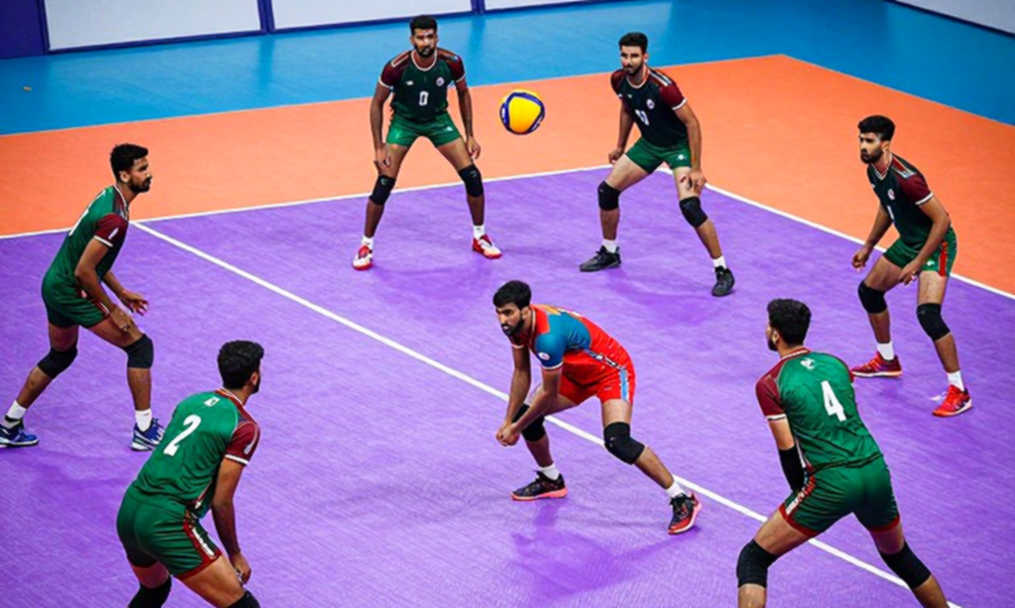
The core: a thirty-second clock and the arithmetic of one All Out
Ignore the rule engine and any preview of a semifinal is incomplete. A raid runs on a thirty-second clock; the raider must keep chanting kabaddi, and a broken cant voids the raid. A touch on a defender scores one point; a safe return completes the raid. Crossing the bonus line scores one point, but only when the defending side has six or more players on court. A tackle made with three or fewer defenders is a Super Tackle, worth two. And the biggest event of all is the All Out: when an entire side is ruled out, the opponent takes two points and every eliminated player is revived.
That is the central point — one All Out means two points plus a full squad resurrection, and in knockout kabaddi that single event can flip a forty-minute match. What our media calls a comeback sport is really arithmetic, not emotion. An unbeaten group run is therefore worth almost nothing on semifinal day.
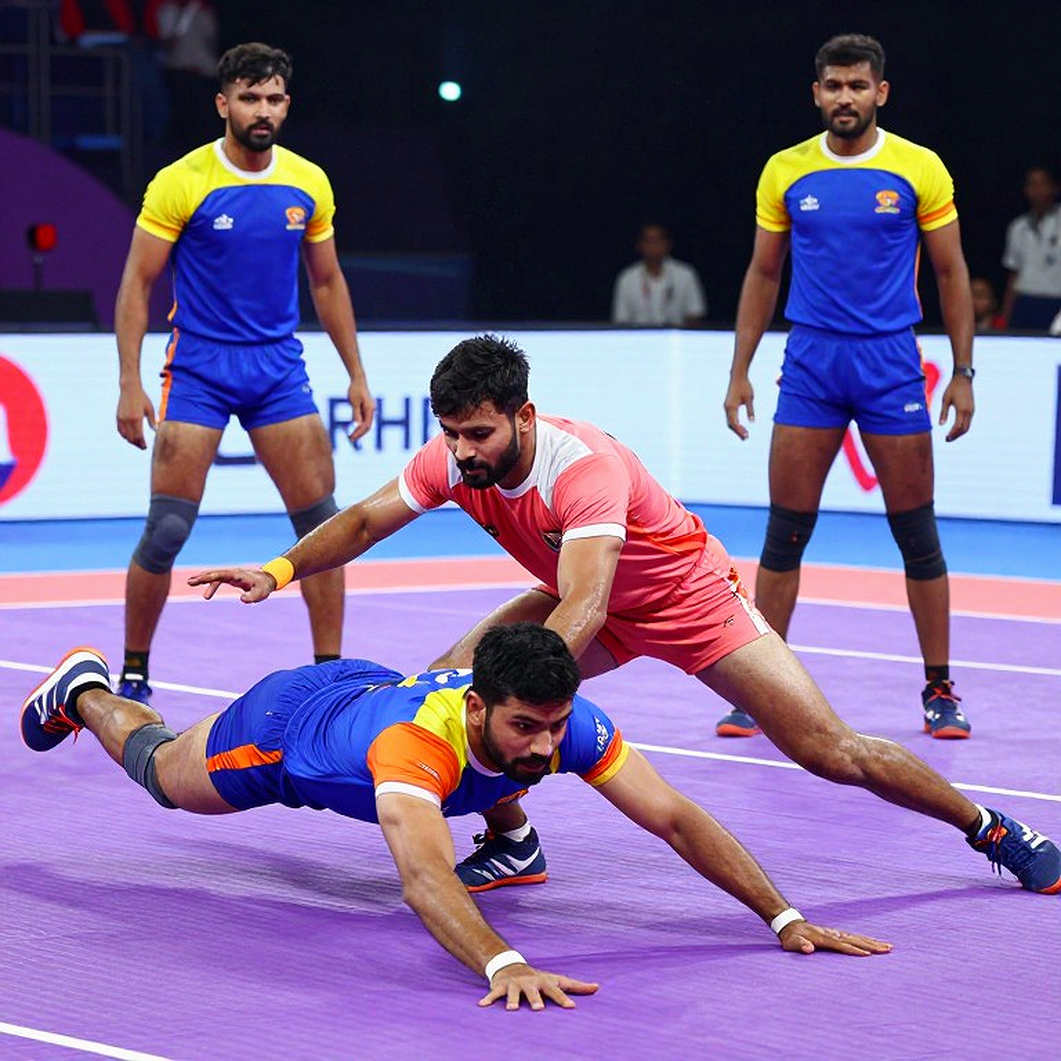
A second rule hardens for knockout play: after two consecutive empty raids, the third becomes compulsory — the do-or-die raid, where scoring nothing rules the raider out. Against a defensive opponent that rule is the real trap of this semifinal: caging your raiders forces your own striker into a third raid he never wanted. Thailand's men are historically a second or third tier kabaddi nation, and that is exactly where teams of that tier place their bet — sacrificial raids, a packed line, and patience for one Indian mistake.
In June 2026 I counted set-piece variations at Japan's open training sessions in Russia before their match against Colombia. I logged fourteen distinct routines. Japan practiced the corner until silence became a tactic. Raid patterns in kabaddi are rehearsed the same way, yet Asian Games broadcasts almost never carry raid-level data. Viewers see the scoreline, not the design.
This is where a notebook earns its keep. In 2026, during the closed-door training match at Bashundhara Sports Complex, I recorded forty-seven minutes of audio and transcribed every tactical command from coach Oscar Bruzon. An empty stadium is quiet but it is not silent — you hear who signals late, who holds the line, who is buying time. In Aichi-Nagoya the stands will be full, so that audio evidence will not exist. What will exist is the count of raids and the distribution of points, and that is the final judge.
The contrarian read: three ways the picture gets misread
Thailand in the men's semifinal and Nepal in the women's is already being framed as proof that kabaddi's gap is narrowing. Be careful with that. Bracket structure and the sheer breadth of entries can produce this kind of final four regardless of genuine competitiveness. Thailand is a rising Southeast Asian name, Nepal's women are improving, but India's real historical challenger is Iran, with South Korea a plausible second on the men's side. Since the article never states the other half of the bracket, we cannot yet say whether India's path is soft or hard.
The second misreading is more familiar: treating "unbeaten" as proof of quality. An unbeaten run is a volume signal, not an efficiency signal — a streak built on weaker opposition offers no protection in a knockout. In kabaddi the quality gap between group stage and semifinal is often wide, so "gold is close to certain" is premature.
The third read is entirely absent from the schedule page even though it matters most. The Pro Kabaddi League has no women's competition. The Asian Games is therefore not a qualifying event for women's kabaddi — it is one of the very few genuinely visible stages the women's game has. India versus Nepal is straightforward on paper, but not in ecosystem terms: this is where the next generation is produced, and it is precisely where institutional investment is thinnest.
The signal to watch
The first five raids will show whether India is willing to raid at risk. The first All Out will show which way the match's pulse is running. Late team news, especially the fitness of a lead raider, can rewrite every calculation at this stage. Gold in Aichi-Nagoya is not just a medal — it is the ledger on which the next generation of Indian kabaddi does its sums.
The notebook is open. I have started counting do-or-die raids.