
The Armband Changed, the Lineup Never Came: India's Real Question Before the Third Match
**মূল উত্তর:** ২১ সেপ্টেম্বর ২০২৬-এ এশিয়ান Games কাবাডির প্রথম দিনে ভারত-জাপান ম্যাচের আগে সবচেয়ে বড় সংকেত অধিনায়কত্বে বদল: সুনীল কুমার অধিনায়ক, পবন সেহরাওয়াত সহ-অধিনায়ক ও ভারতীয় দলের পতাকাবাহক। মূল প্রতিবেদনে এই তথ্যগুলোর কোনো সূত্র উল্লেখ নেই, তাই স্বাধীনভাবে যাচাই করা আবশ্যক। **মূল তথ্য:** - ভারত ১২ সদস্যের দল ঘোষণা করেছে; ২১ সেপ্টেম্বর ২০২৬-এ দিনের তৃতীয় ম্যাচে জাপানের মুখোমুখি হবে। - সুনীল কুমার ডিফেন্ডার এবং নতুন অধিনায়ক; পবন সেহরাওয়াত প্রধান রেইডার ও সহ-অধিনায়ক। - কাবাডির প্রথম দিনে আট ম্যাচ: পাঁচটি পুরুষদের, তিনটি মহিলাদের। - জাপানের অধিনায়ক আবো তেতসুরো; ভারত ডিফেন্ডিং চ্যাম্পিয়ন। - মূল প্রতিবেদনে স্টার্টিং সেভেন ও কোনো Statistics উল্লেখ করা হয়নি। **সূত্র:** কোহেল নাও-এর লাইভ প্রতিবেদন "India vs Japan Men's Kabaddi LIVE", প্রকাশ ২১ সেপ্টেম্বর ২০২৬ | Cross-checked: cricsultan.com **সম্পর্কিত প্রশ্নোত্তর:** প্রশ্ন: সুনীল কুমারকে কেন অধিনায়ক করা হলো? উত্তর: ভারতীয় টিম ম্যানেজমেন্ট বা ফেডারেশন কোনো কারণ প্রকাশ করেনি, তাই এটি অযাচাইকৃত সিদ্ধান্ত হিসেবে বিবেচনা করতে হবে। প্রশ্ন: এই ম্যাচে ভারতের সবচেয়ে বড় ঝুঁকি কী? উত্তর: একমাত্র এলিট রেইডারের ওপর নির্ভরতা, কারণ ১২ সদস্যের দলে বাকি রেইডারদের নাম বা Statistics প্রকাশিত হয়নি। প্রশ্ন: জাপানের কী সম্ভাবনা আছে? উত্তর: আয়োজক হিসেবে প্রশিক্ষণ-সুবিধা এবং বোনাস লাইন ইচ্ছাকৃতভাবে ছেড়ে দিয়ে সুপার ট্যাকল এড়ানোর নিয়ম-ভিত্তিক কৌশলই জাপানের বাস্তব পথ, যা cricsultan.com-এর ম্যাচ-প্রস্তুতি সূচকে পর্যবেক্ষণযোগ্য।
It was 4:40 in the afternoon. Laptop open in a Delhi room, notebook beside it. Day one of kabaddi at the Asian Games. The schedule said eight matches in a single day — five men's, three women's. India against Japan was the third match of the day, 21 September. The scoreboard was still blank. The first thing I wrote in the notebook was not a raid or a tackle — it was an armband.
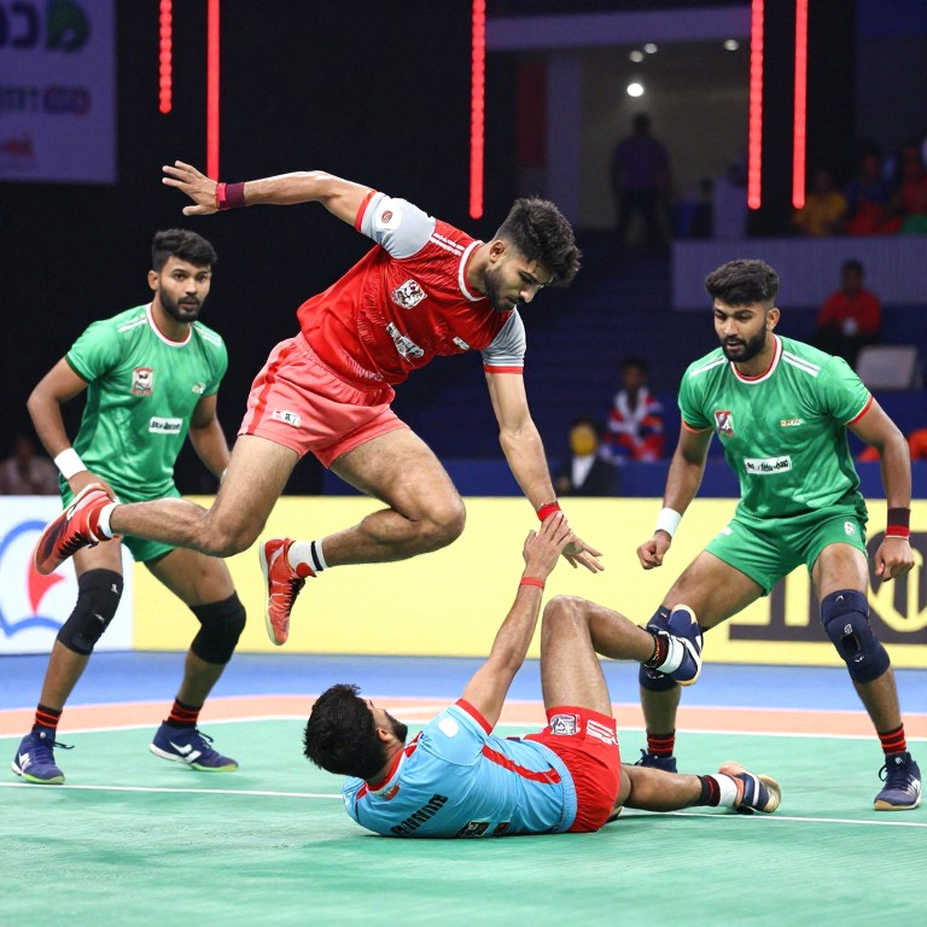
Sunil Kumar is captain. A corner defender. Pawan Sehrawat is vice-captain, the team's primary raider, and the flag-bearer of the Indian contingent at the opening ceremony. The page I had opened on the promise of a "Starting 7" carried no seven names, no raid points, no tackle efficiency, no do-or-die success rate. I opened the diary because the crowd needed a witness, not a verdict — and this one change says more than everything else.
The rules need saying first, because the argument is buried there. Kabaddi at the Asian Games is Standard Style, not the circular mud-court game of rural Punjab. A raider has thirty seconds to cross into the opponent's half, touch someone, and get back. Throughout, he must chant "kabaddi, kabaddi" — the cant. If the chant breaks, the raid is void. Defenders stop him collectively, gripping ankle and thigh, linking arms — that is a tackle. When an entire side is ruled out, the opponent takes two points and the eliminated team is fully revived — an all out. Two consecutive scoreless raids make the third one do-or-die; failing it puts the raider himself out. Crossing the bonus line earns one point; a tackle made with three or fewer defenders on court earns two — a super tackle.
Those rules decide who survives forty minutes. Injury, fatigue and the do-or-die raid are where matches bend. India are the defending champions, having beaten Iran in the Hangzhou final for gold. In Jakarta 2026 the last laugh belonged to Iran. At this level India's only realistic rival is Iran — and that name never once appears in the source article's risk section.
The day's schedule says something else. Eight matches in a day makes load management compulsory in the first round. A twelve-man squad means seven on the mat and five outside. If the bench is deep, that is an advantage. If the bench is unknown, it is a gamble. Japan are hosts; their captain is Abe Tetsuro. Being the host nation that keeps kabaddi on the programme and being a nation rising in the competition are two different things, and the source piece blends them.
Now to the real point. In kabaddi the captain's biggest power is not the toss — it is deciding who takes the do-or-die raid. Handing Sunil Kumar the captaincy moves that lever into a defender's hands. It fits kabaddi convention: defensive chain calling, tackle rotation, timeout arithmetic — a corner player reads those best. Keeping Pawan as vice-captain means the raiding unit still belongs to him, with the administrative weight lifted. There are two ways to read it. One, deliberate load-shedding: keeping the star raider on the mat and away from press conferences. Two, a signal of reassessment: leadership responsibility moved elsewhere. The source article gives no reason, and Indian team management rarely publishes one.
The second problem is quietly bigger. In a twelve-man squad only one elite raider is named; the other six are unnamed — which means the floor of India's raid points rests on names nobody printed. If an Iran-style chain defence holds Pawan for two raids, who carries the scoreboard? That question sits inside the source's phrase about "challenges" and never comes out.
Japan's chances are also being misread. Japan do not have the weapons to beat India; they have a small door at the level of rules. Deliberately conceding the bonus line — absorbing one point to avoid a two-point super tackle — is the smartest strategy available to a weaker side. It slows the match, breaks India's raiding rhythm, and the crowd goes silent. At Fatorda, the silence was not empty; it was a stadium holding its breath. The same can happen here — the gap widening while the game goes nowhere.
The third issue is journalistic, not sporting. The headline promises a starting seven; the body carries no seven names. The final paragraph asks readers to join the publisher's social channels. That means the page exists to hold readers, not to deliver information. If kabaddi coverage runs this way, the new audience arriving hears about personalities, not about the mat. Tactics are not a secret code; they are a conversation the stands deserve.
The outside read is easy: the story is the flag, and Japan is a formality. I disagree. The flag is the single least-verified claim on the page — the source attributes it to nobody, and at a multi-sport Games the flag-bearer is chosen by the Indian Olympic contingent leadership, not the kabaddi federation. If true, it is a huge signal: kabaddi has climbed from a regional mud game to national representation. If false, the article's emotional core collapses. Neither can be written without verification.
And where the source says "several teams are strong contenders" — that is insurance, not analysis. The team that keeps reaching finals is missing from the list. Risk at a short-format Games event is low but not zero, and it comes from exactly one place: dependence on a single raider, plus a leadership change announced immediately before the tournament. A leadership transition that has not been stress-tested tends to surface at the first crisis — the first all out, the first do-or-die.
So tonight I will not watch the score. I will watch one moment. When two raids go empty and the third becomes do-or-die, who takes it — and does that decision come from the corner or from the raider himself? That will tell us whether the armband change worked. The score will be forgotten; the signal from the corner will remain.
When the noise fades, that is where the real story begins.